If your church has elected elders, you are familiar with the sermons on elders that usually precede their selection. A pastor will often preach from either 1 Timothy chapter 3 or Titus chapter 1 where the apostle Paul explicitly lists the qualifications for elders, now so familiar to us. But how many of us have heard such a sermon based on 1 Peter chapter 5?
In that chapter, we find the third place in the New Testament where an apostle describes an elder’s qualification. And in my mind, it is perhaps the most important but most neglected text on the subject. In 1 Timothy and Titus, Paul addresses the qualifications of elders to Timothy and Titus before they are appointed. Peter, on the other hand, speaks to existing elders about their responsibility, their behavior, and their character.
Peter says,
“Therefore, I exhort the elders among you, as your fellow elder and witness of the sufferings of Christ, and a partaker also of the glory that is to be revealed,
“shepherd the flock of God among you, exercising oversight not under compulsion, but voluntarily, according to the will of God; and not for sordid gain, but with eagerness;
“…nor yet as lording it over those allotted to your charge, but proving to be examples to the flock.” (1Pe 5:1-3 NAS)
Once they rise to office, too many elders act as if their chief responsibility were administration. The elders’ meetings are largely occupied by business matters, especially church finances. But Peter says the main occupation of an elder—that which consumes most of his time or energy—is shepherding, the care of souls. And the shepherd must assume the role of a servant, not a lord.
In the verses that follow, Peter uses either the verb or noun form of the word humble no less than three times:
“all of you, clothe yourselves with humility toward one another, for God is opposed to the proud, but gives grace to the humble.
“Humble yourselves, therefore, under the mighty hand of God, that He may exalt you at the proper time.” (1Pe 5:5-6 NAS)
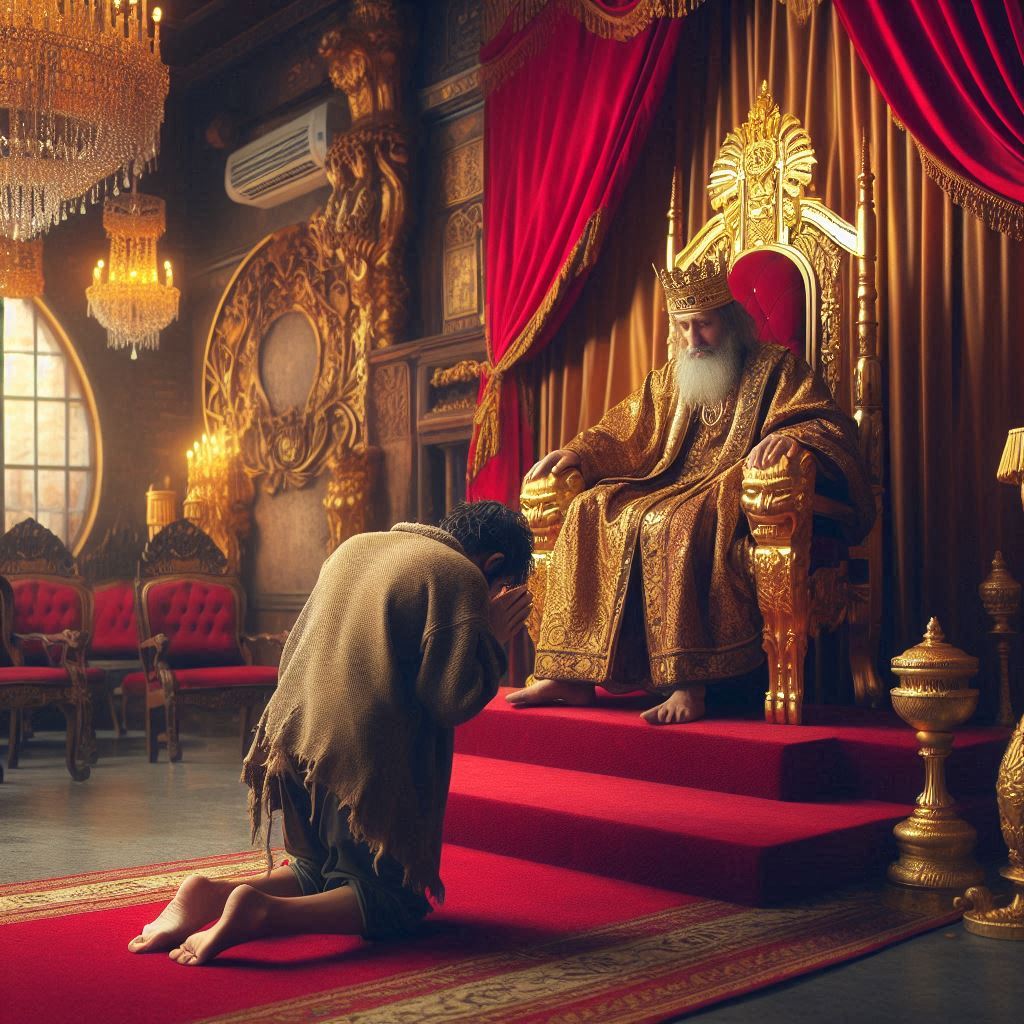
One might rightly say that the preeminent qualification of an elder is humility.
How many times have we seen the opposite? An unhumbled elder will skew to administration, a humble man to service. An elder who is not humble will not care so much for the souls of others; a humble man will be a shepherd of souls.
In the Presbyterian Church of Scotland, the elders used to pair up and visit all families in the parish. They spent most of their time doing that. They would care for the poor, pray with those who were ill or suffering, and gently teach them, reminding them of the Gospel.
When was the last time an elder visited you to pray with you in your troubles?
Notice Pater does not address just elders. He says, “All of you, clothe yourselves with humility toward one another.” Humility is to be the character of every member of the church. How can one find humble leaders from the flock if the flock is not humble? How many church fights and conflicts would be averted if true humility reigned?
“Let this mind be in you which was also in Christ Jesus…”
 This Mind